Earthquakes are a common natural disaster that can cause significant damage to buildings and infrastructure. In regions prone to seismic activity, ensuring the structural integrity of buildings is crucial to safeguarding the lives of occupants and minimizing the financial impact of potential damage. One essential component of earthquake-resistant construction is the implementation of a seismic bracing system.
A seismic bracing system is a series of structural elements designed to provide additional support and stability to a building during an earthquake. These systems are typically made up of braces, beams, and other components that work together to resist the lateral forces and vibrations produced by seismic activity. By incorporating a seismic bracing system into a building’s design, engineers can reduce the risk of structural failure and ensure the safety of occupants.
The primary purpose of a seismic bracing system is to prevent or minimize damage to a building’s structural elements, such as columns, beams, and walls. During an earthquake, the ground shakes violently, causing buildings to sway and vibrate. Without adequate bracing, these vibrations can lead to a building’s collapse, putting lives at risk and causing extensive damage.
seismic bracing systems work by providing additional support to the building’s structure, effectively reducing the forces exerted on critical components. By distributing the seismic forces evenly throughout the building, the bracing system helps to stabilize the structure and prevent excessive movement. This not only protects the building from immediate damage during an earthquake but also ensures that it remains intact for future events.
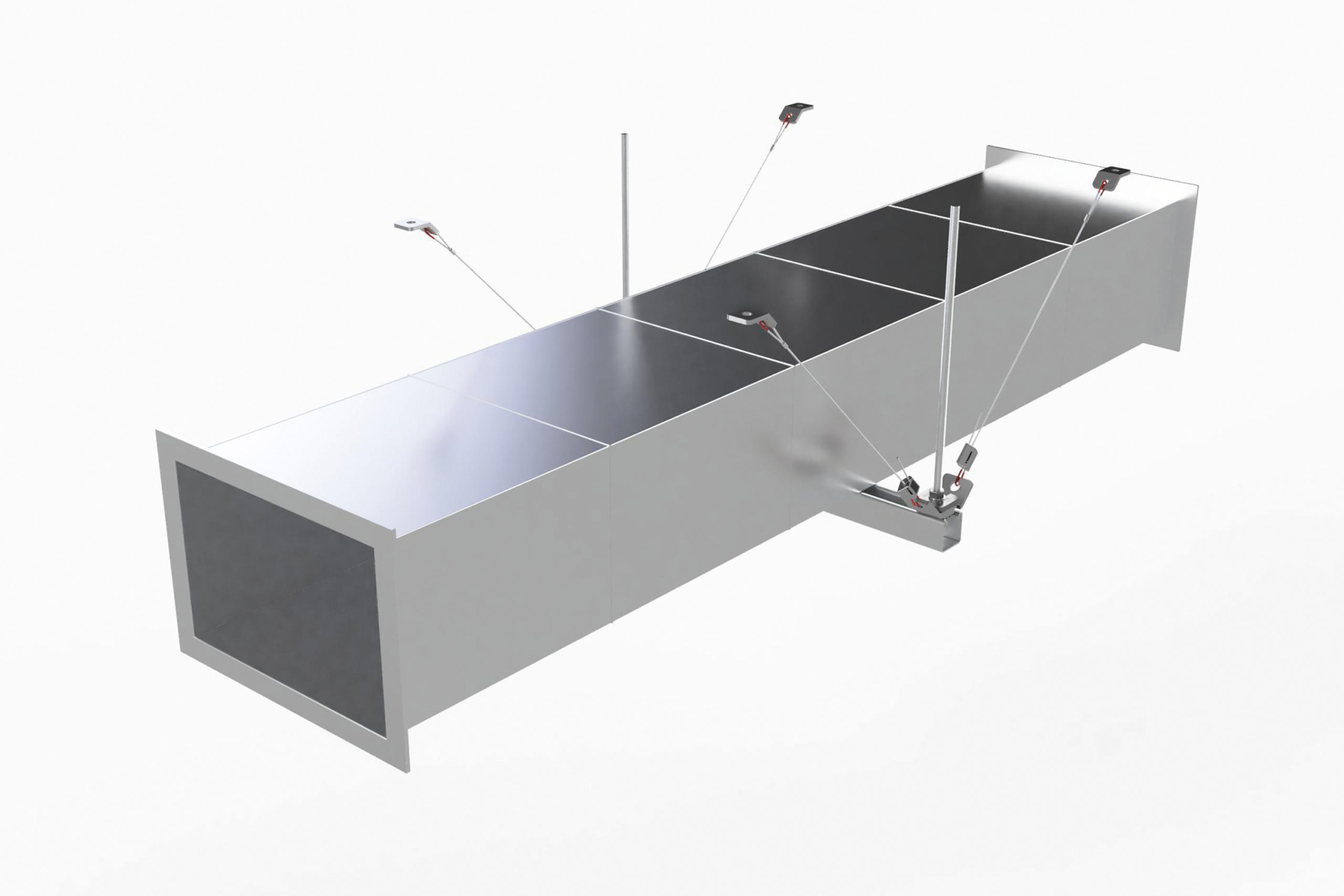
There are several different types of seismic bracing systems, each with its own unique design and function. One common type is the concentric brace system, which consists of diagonal bracing elements strategically placed throughout the building to absorb and dissipate seismic forces. These braces are typically made of steel or other high-strength materials and are designed to flex and bend during an earthquake, effectively reducing the impact on the building’s structure.
Another type of seismic bracing system is the eccentric bracing system, which uses a combination of braces and dampers to absorb and dissipate seismic forces. Dampers are devices that absorb and dissipate energy, helping to reduce the impact of seismic forces on the building. By combining braces with dampers, engineers can create a highly effective seismic bracing system that provides maximum protection against earthquakes.
In addition to traditional bracing systems, there are also innovative seismic bracing solutions that utilize advanced technologies to enhance a building’s earthquake resistance. One example is the use of base isolators, which are devices placed between a building’s foundation and superstructure to absorb and dissipate seismic forces. Base isolators effectively decouple the building from the ground, reducing the impact of seismic waves and protecting the structure from damage.
seismic bracing systems are not only essential for new construction but can also be retrofitted into existing buildings to improve their earthquake resistance. By adding bracing elements to an older building, engineers can strengthen its structure and reduce the risk of collapse during an earthquake. This is particularly important in regions with a high seismic risk, where older buildings may not have been designed to withstand the forces generated by earthquakes.
In conclusion, seismic bracing systems play a vital role in ensuring the structural integrity of buildings during earthquakes. By distributing seismic forces evenly throughout the structure, these systems help to stabilize the building and prevent damage to critical components. Whether integrated into new construction or retrofitted into existing buildings, seismic bracing systems are an essential component of earthquake-resistant design. By investing in a seismic bracing system, building owners can protect their investment and ensure the safety of occupants during seismic events.